THE SITUATION
A legal platform with no design function behind it.
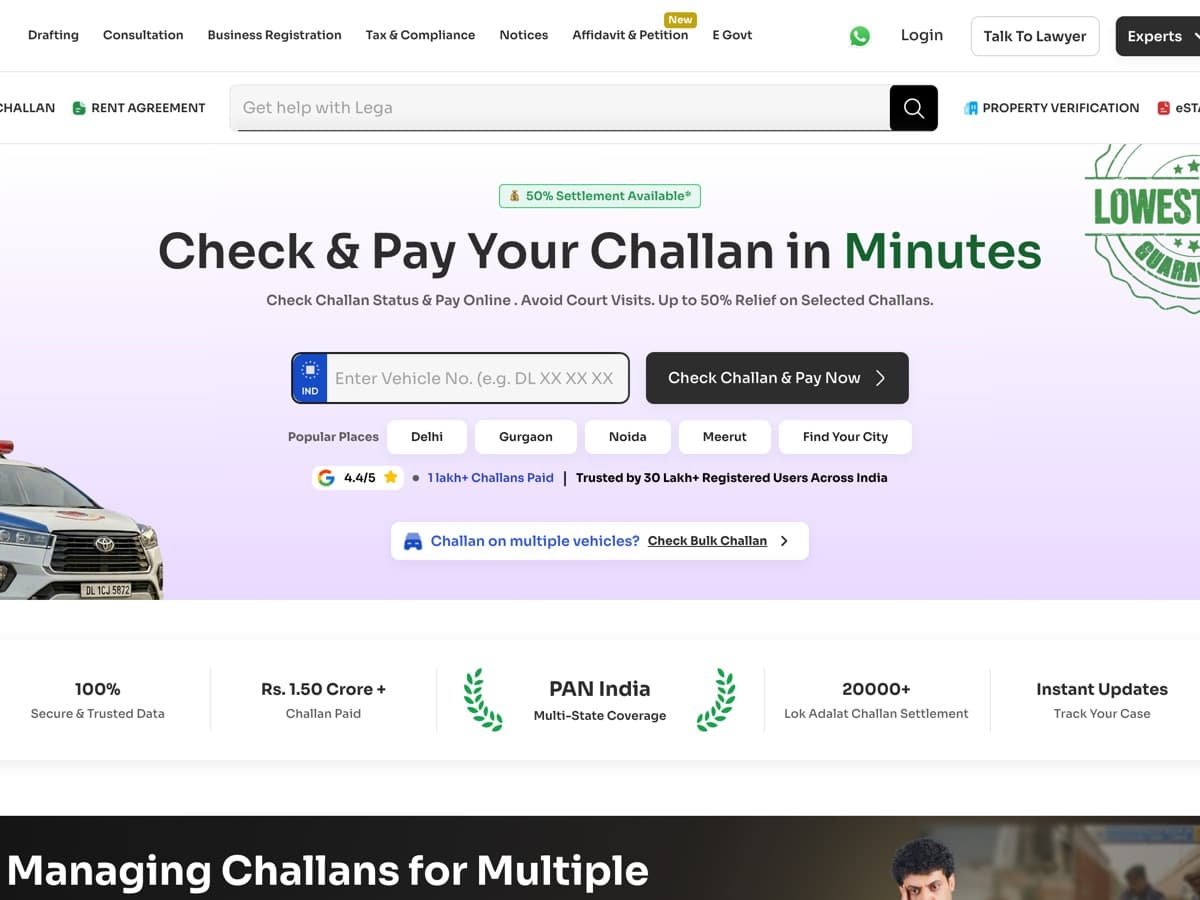
BigOh Tech had taken on DigiLawyer, a consumer legal platform for India. There was no owner for design, no shared language across surfaces, and three products to stand up at once.
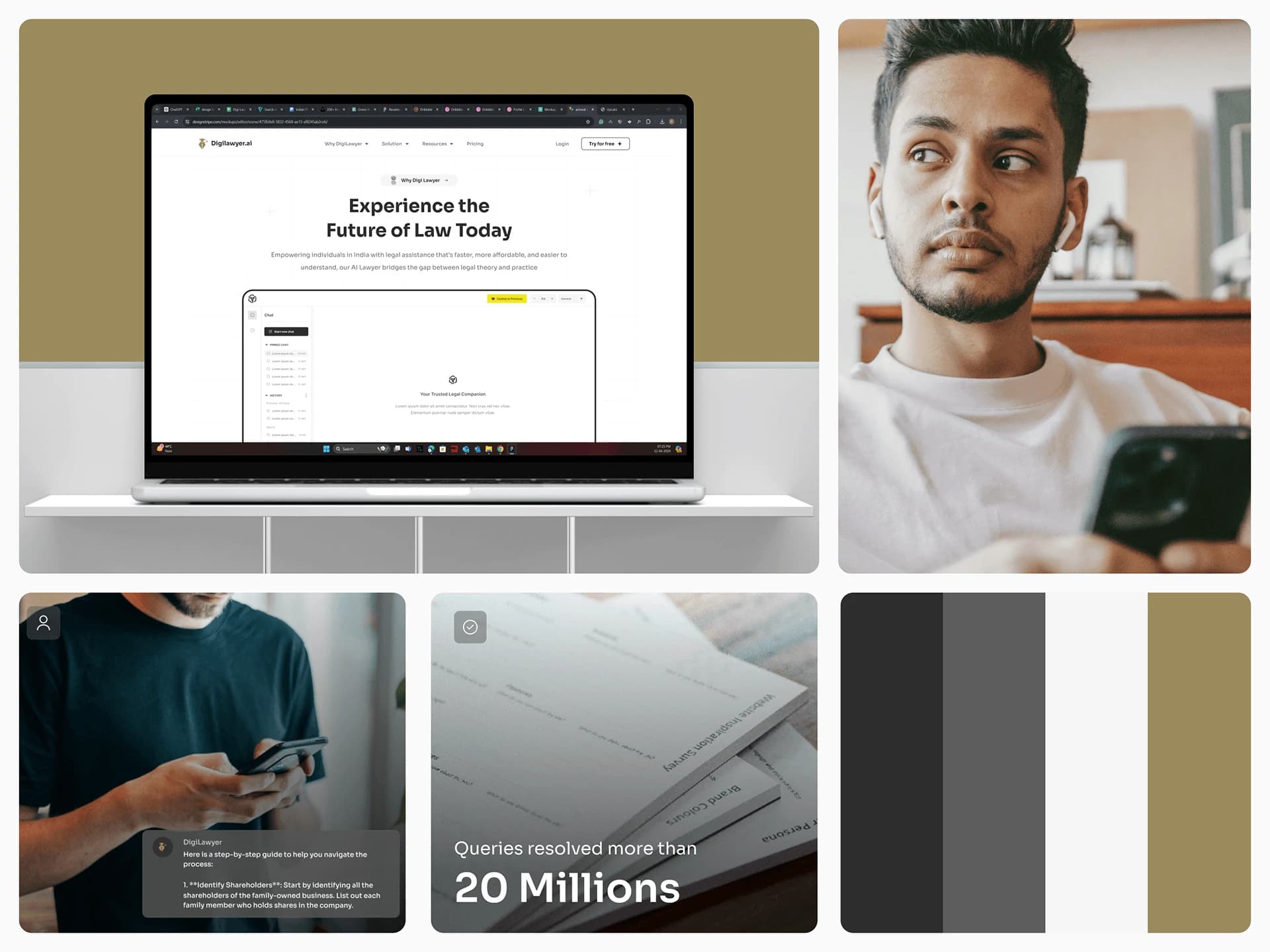
These are not marketing pages. People use DigiLawyer to serve legal notices, sign agreements and e-stamp documents across twenty-plus states.
CORE CHALLENGE
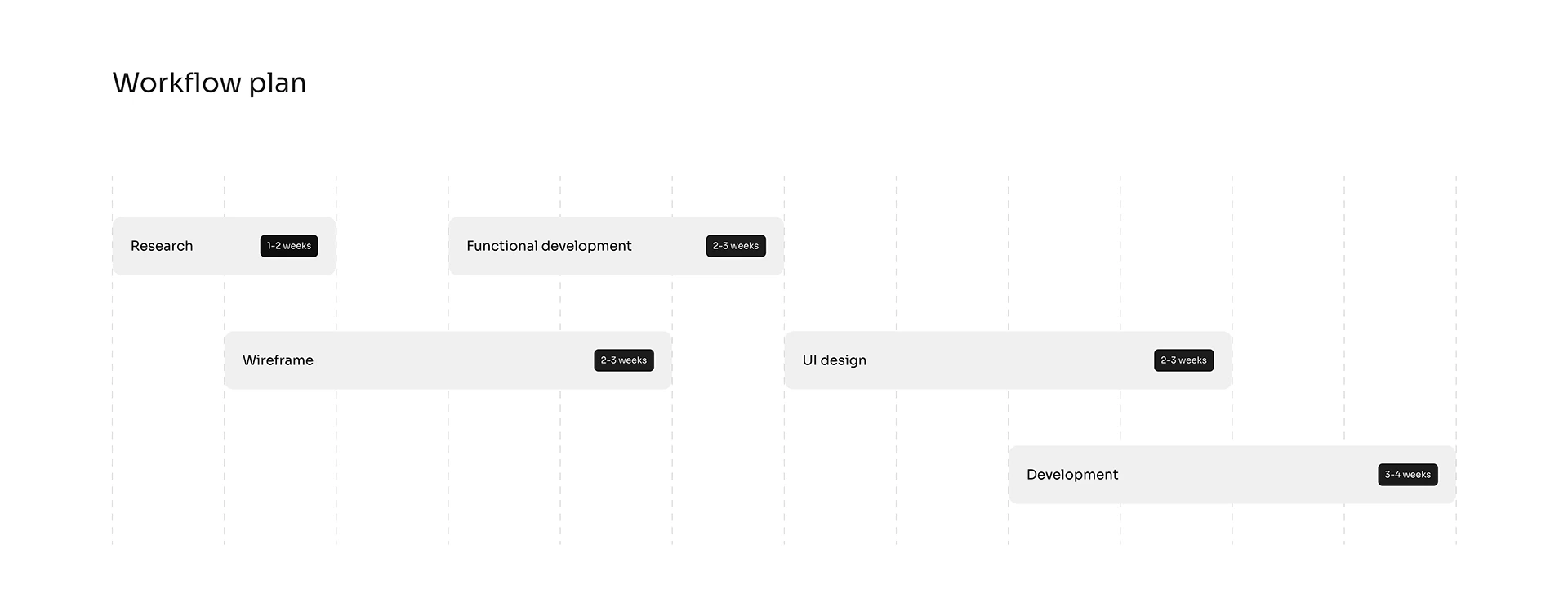
Launch a B2B dashboard, a B2C website and the application both depend on, in twelve weeks, with one designer.
THE USERS
Two sides of the same product.
01
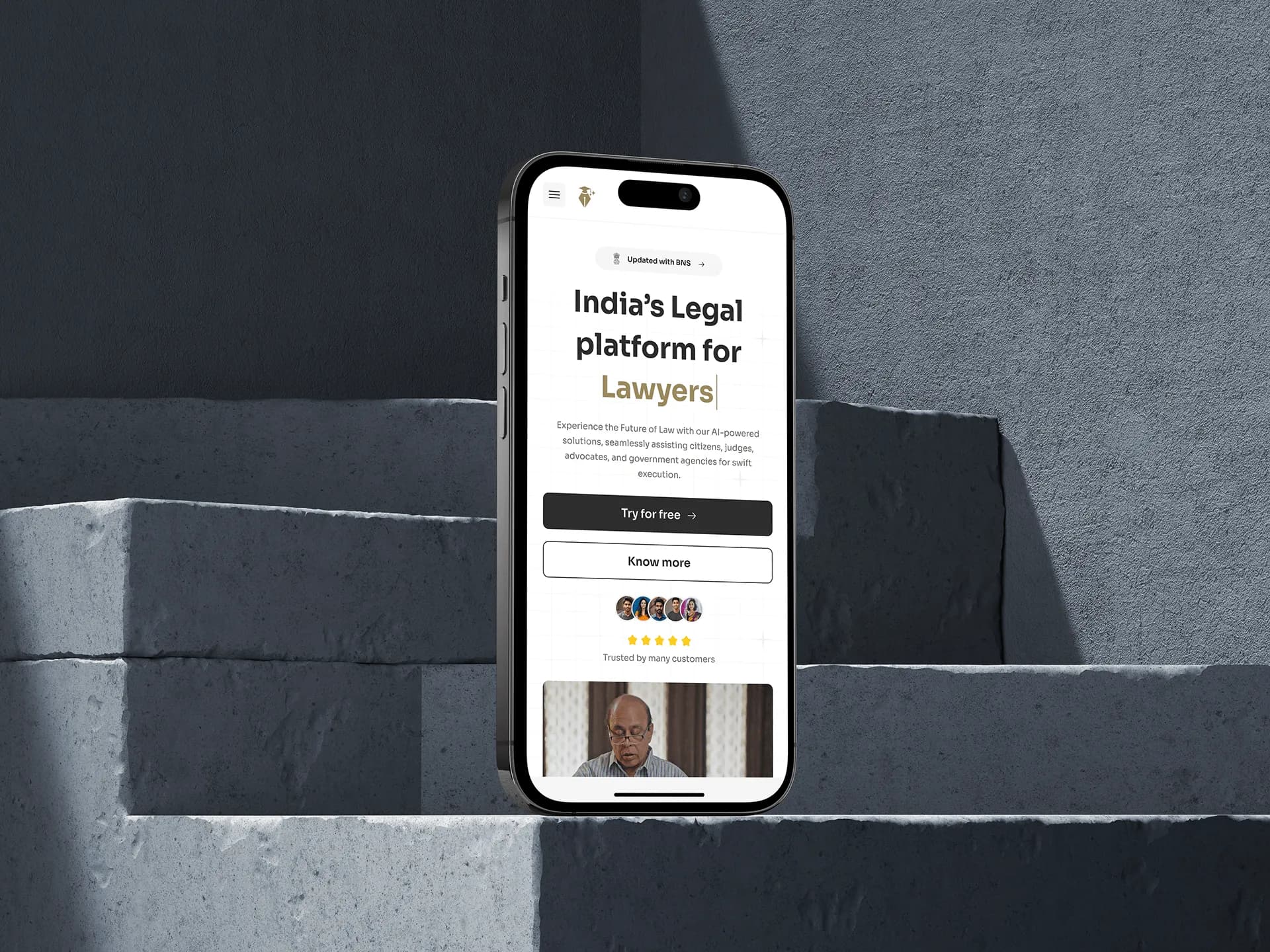
Legal teams
Work their cases in the B2B dashboard.
02
People who need legal help
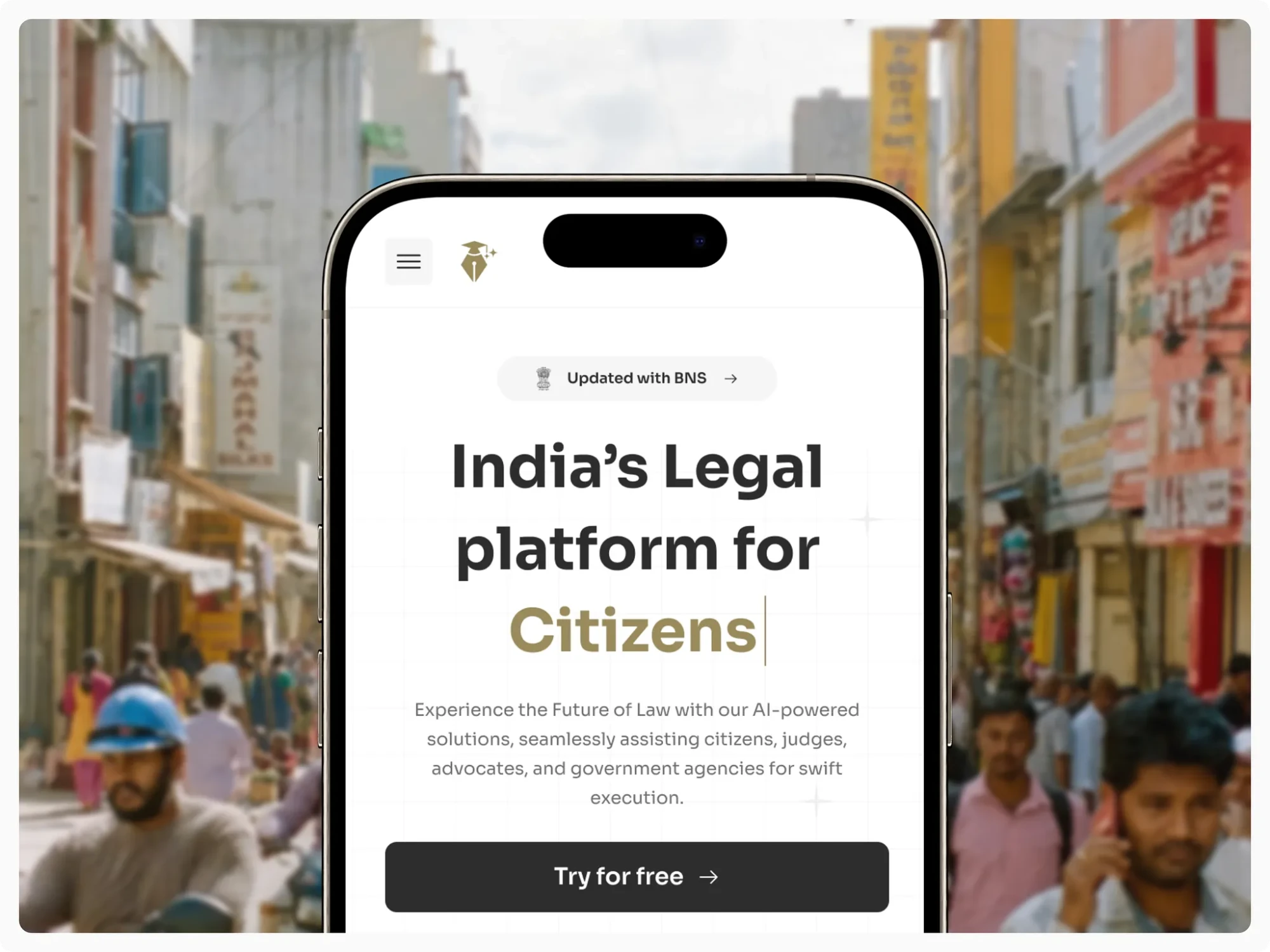
Find and buy DigiLawyer's services on the B2C website.
03
Both, underneath
The shared application carries what both sides depend on.
PAIN POINTS
No design function, and three products due at once.
01
No owner
Nobody accountable for how DigiLawyer looked or worked.
02
No shared language
Nothing tied the surfaces together, so each would have been designed on its own.
03
Three surfaces at once
A dashboard for legal teams, a consumer website, and the application under both.
04
Friction nobody had measured
After launch, the product detail, listing and search pages were where people stalled.
THE PROBLEM
The constraint was breadth, not depth.
Three surfaces, one designer, and a launch date. Every surface needed designing; none of them could be allowed to feel like a different product.
DESIGN GOALS
Design goals
01
One system across three surfaces
One information architecture, one interaction language, one set of patterns.
02
Neither side borrowed
A dashboard and a consumer site, without either feeling borrowed from the other.
03
Launch in twelve weeks
All three, concept to launch, with one designer.
04
Decide from data
Rebuild what the data shows is broken, not what we assume is.
SOLUTION
What shipped
01
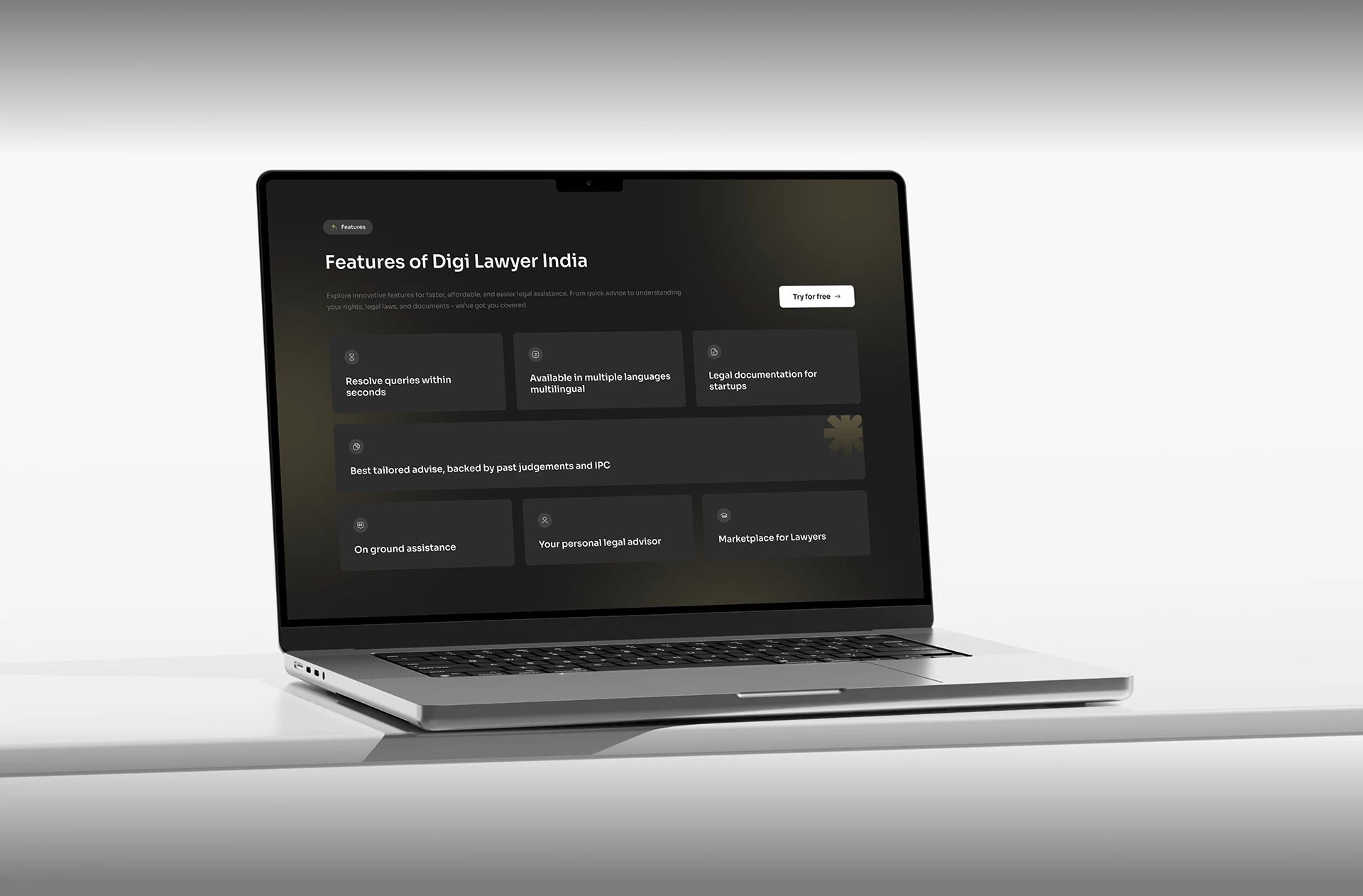
B2B dashboard
For the legal teams working cases.
02
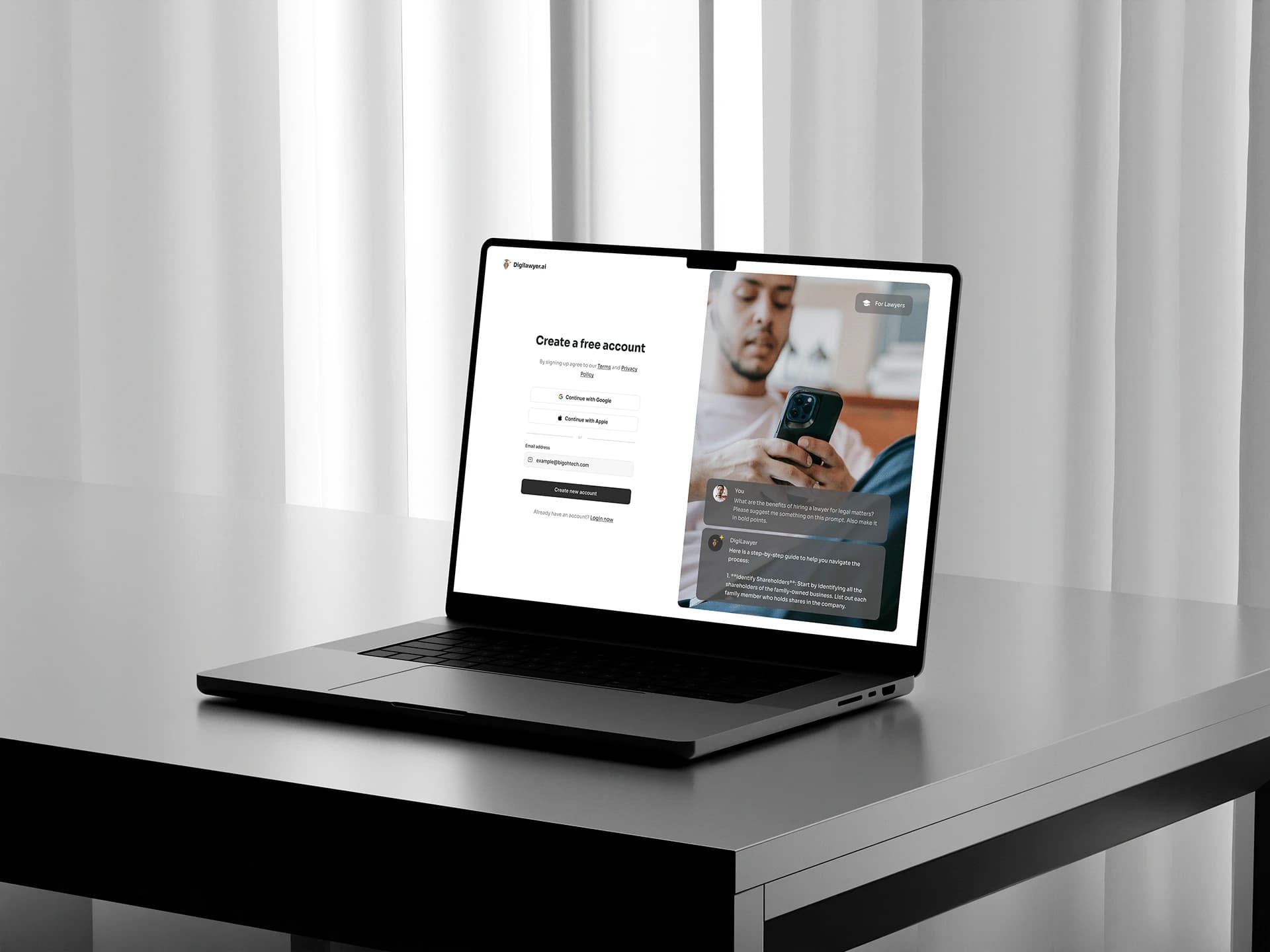
B2C service website
Where people find and buy DigiLawyer's services.
03
Shared application
The layer both sides depend on.
04
Rebuilt PDP, PLP and search
Redesigned against heat-map and funnel analysis.
COMPONENTS
Built on one design system
The 25-component library that came out of this work, now used across BigOh's products.
- Button
- Button Group
- Checkbox
- Radio Button
- Toggle Switch
- Dropdown
- Text Input
- Text Area
- Upload Media
- Slider
- Rating
- Date Picker
- Options
- Avatar
- Alert
- Badge
- Breadcrumb
- Link
- Pagination
- Progress Bar
- Snackbar
- Table
- Tabs
DECISIONS & TRADE-OFFS
Key decisions and trade-offs
01Surface by surface, decisions shared
Decision
I worked one surface at a time but kept the decisions shared: one information architecture, one interaction language, one set of patterns.
02Data before redesign
Decision
Later work went only into parts that showed measurable friction. Heat-map and funnel analysis first, then the PDP, PLP and search rebuild against what it showed.
03Handoff as a system
Decision
A component library and structured interaction guidelines, with engineering alongside through implementation and QA.
04Colour on the website, not the dashboard
Decision
The first product was an AI chat dashboard, a SaaS tool, so I kept it minimal, the way Claude and ChatGPT do. When the same system went onto the website, it looked flat, so the website got colour and the dashboard stayed quiet.
Trade-off
Two surfaces, two temperatures. Website visitors have to be drawn in; people in the dashboard already know their goal and only need what is there.
PROCESS
From discovery to handoff
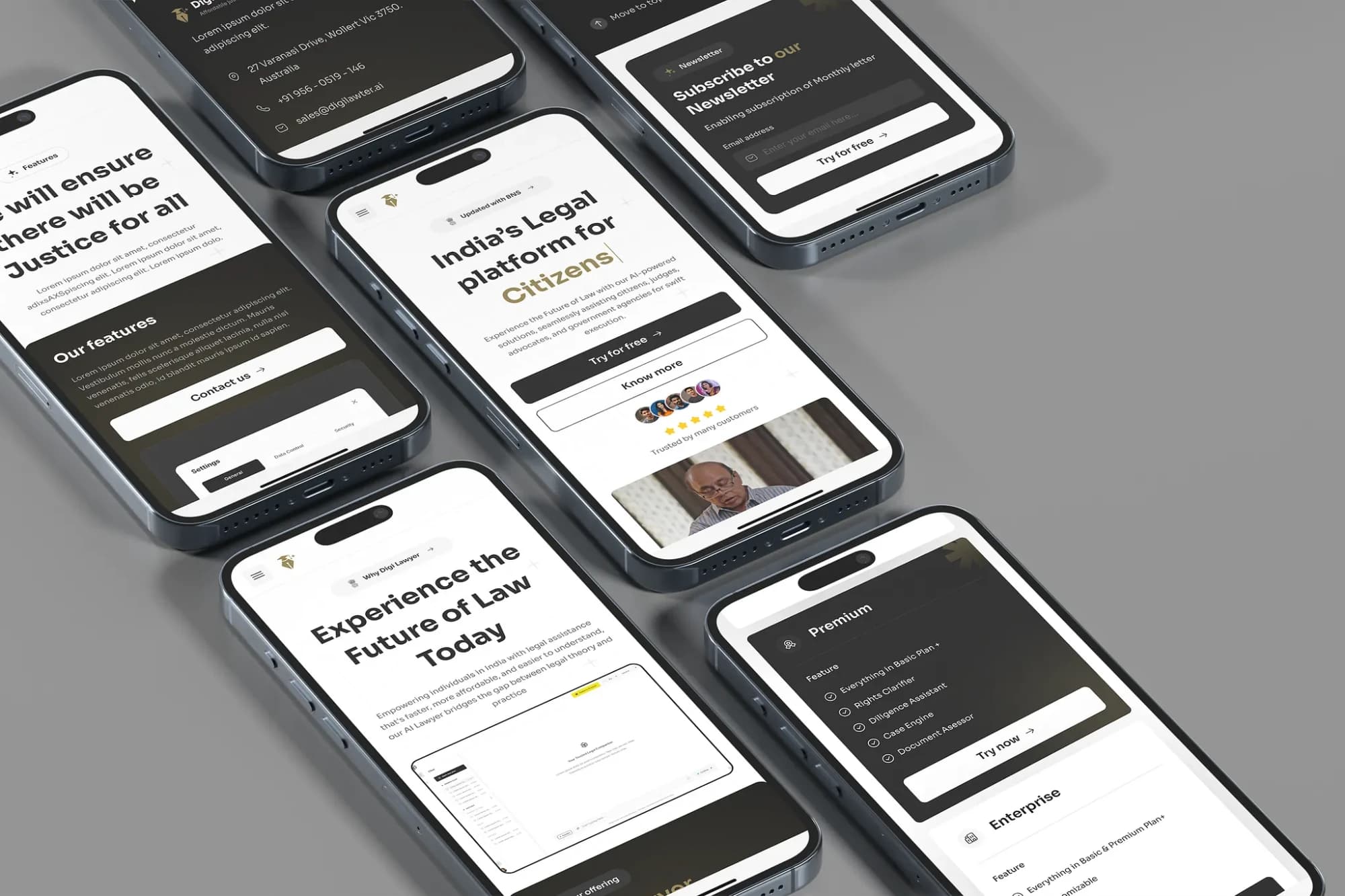
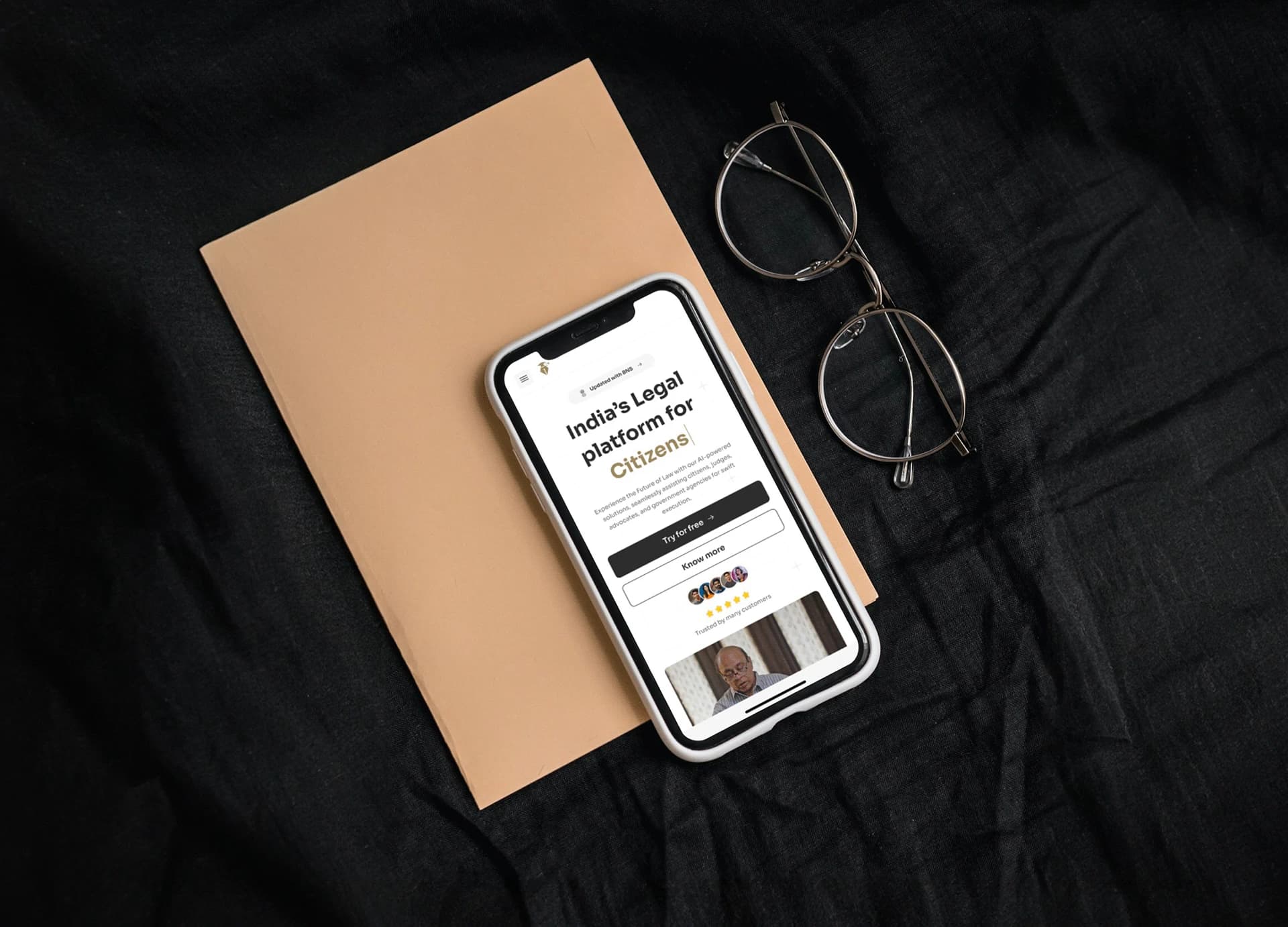
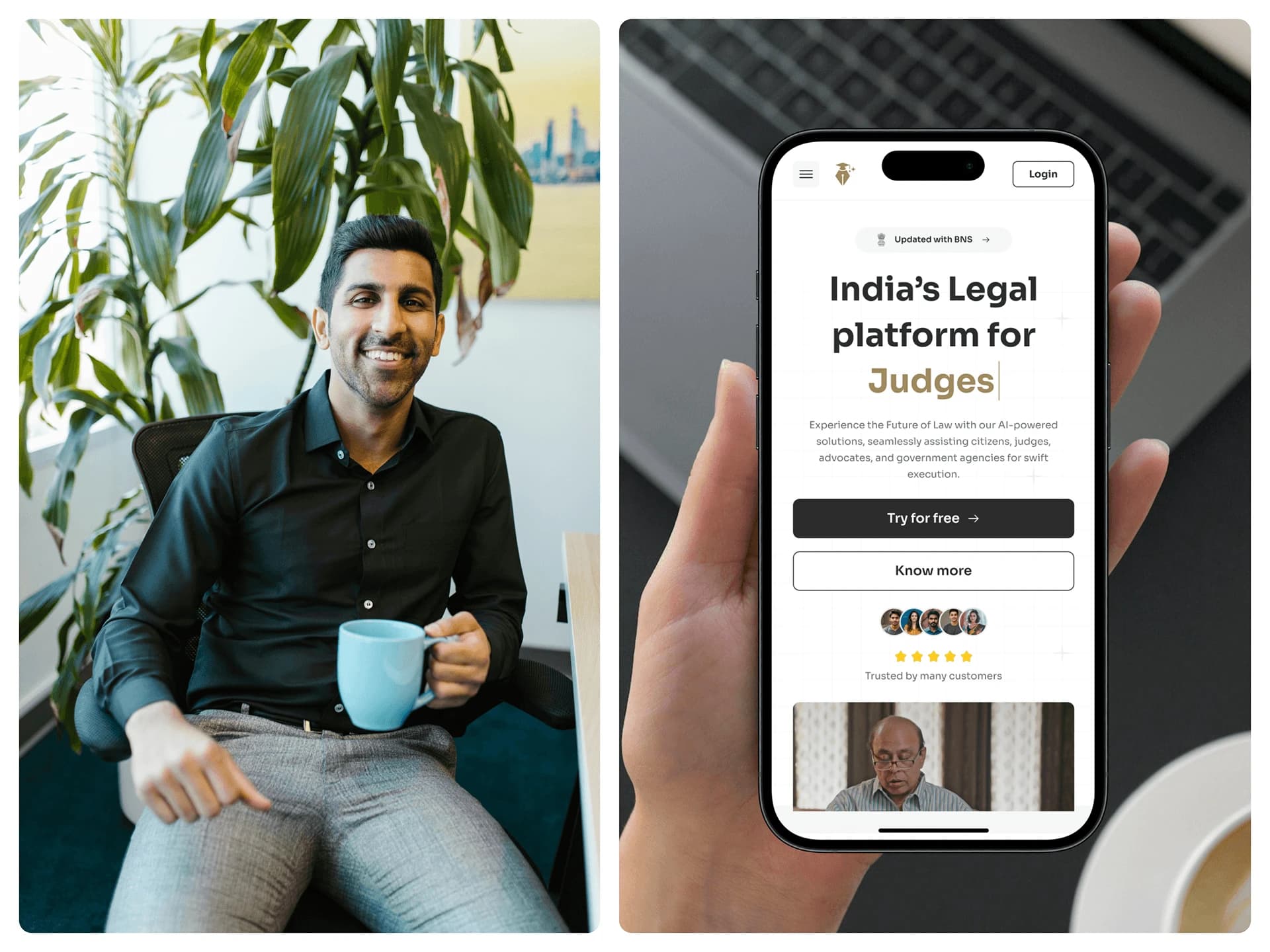
MOBILEThe website on phones: hero, features, pricing, newsletter 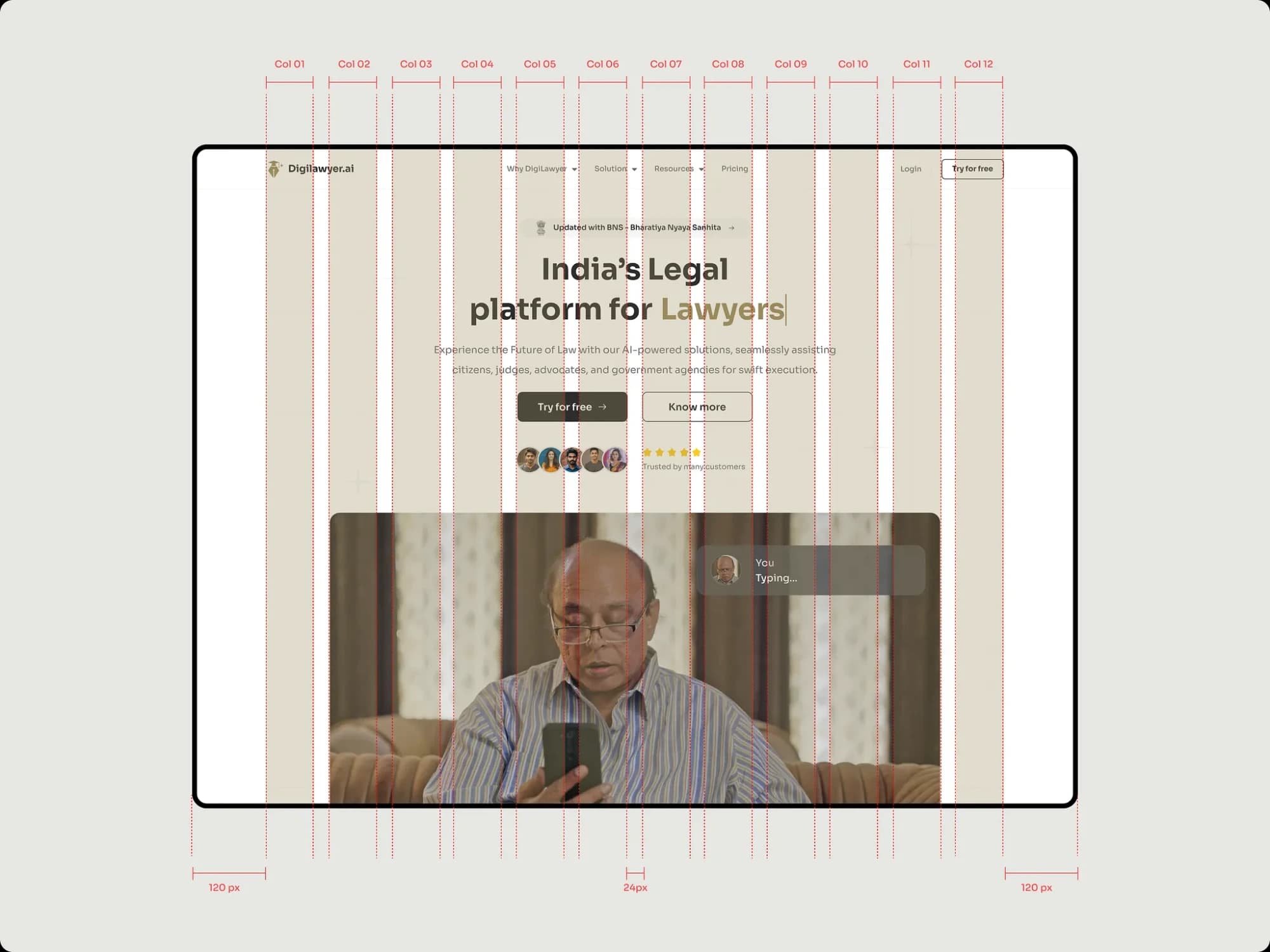
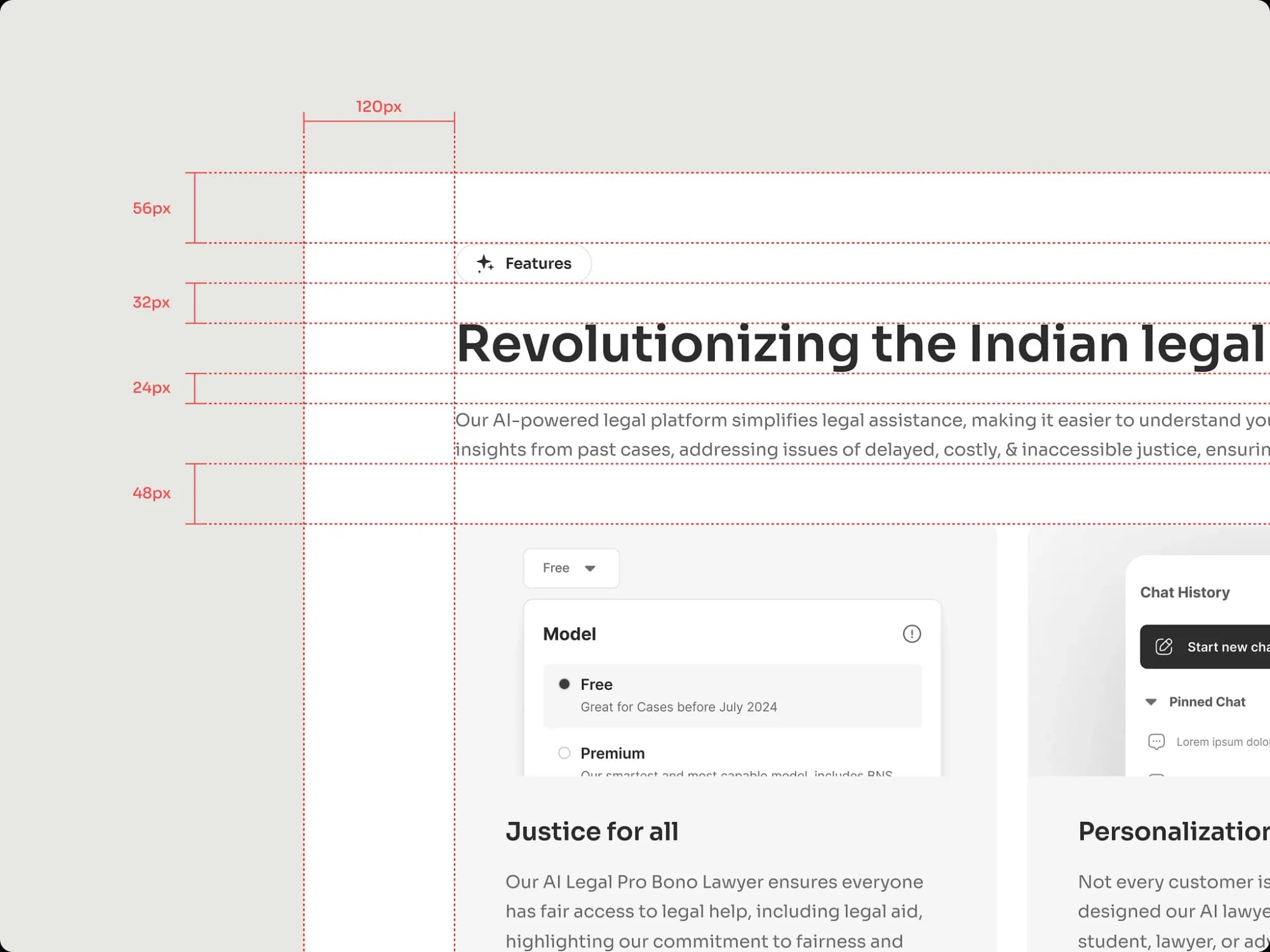
GRIDThe website on a 12-column grid: 120px margins, 24px gutters 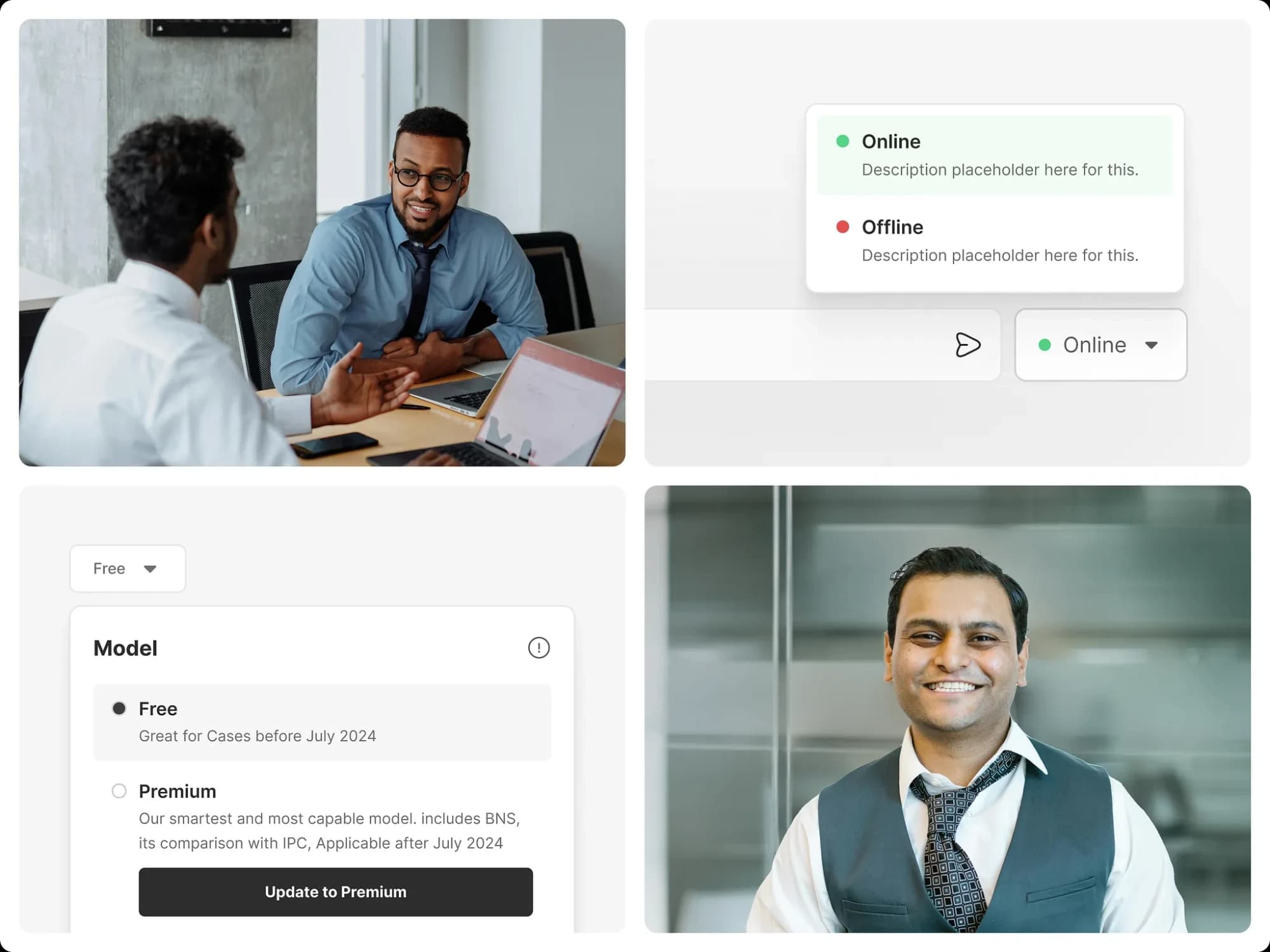
PRODUCTThe product's components in use: status, model picker
OUTCOMES
Launched in three months, then grown
PRODUCTS IN 12 WEEKS
3
Dashboard, website and shared application, concept to launch.
MONTHLY ACTIVE USERS
+22%
Month over month from a 20.8K baseline, after the PDP, PLP and search rebuild.
HANDOFF TIME
−40%
Design to development, through the component library and guidelines.
PROJECTS ON THE SYSTEM
14
The design system that came out of it.
I remained sole design owner of the product area for over two years.
REFLECTION
What it taught me
REFLECTION
Breadth is a design problem of its own. Three products in twelve weeks only worked because the decisions were made once and shared, not remade for every surface.
Measure the friction, then fix it
The rebuild that moved MAU started from heat maps and funnels, not from what we assumed was wrong.